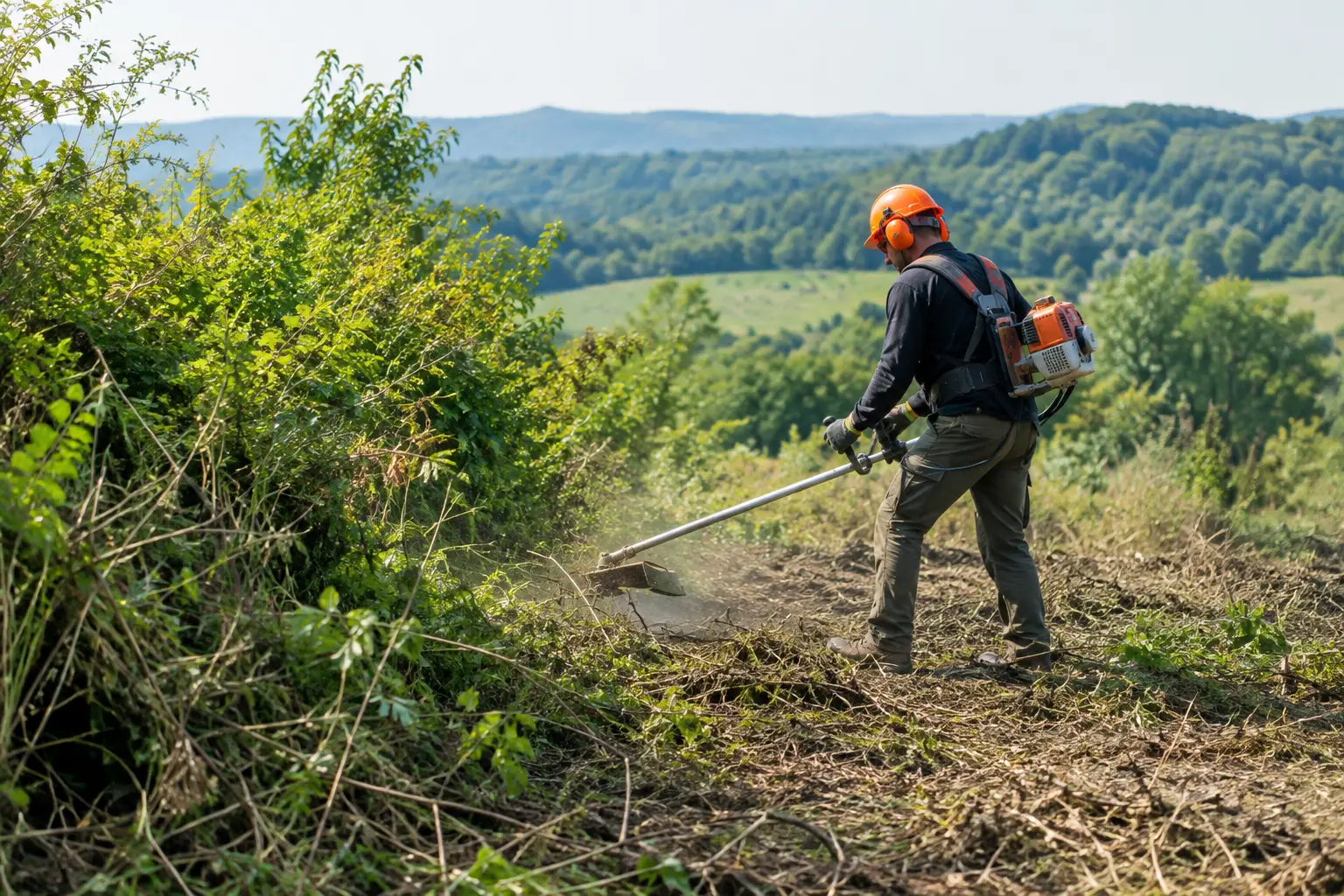
A fence line that disappears under vines, a field edge thick with thorny shrubs, and young trees crowded out by tangled growth are more than curb-appeal problems. Invasive brush removal helps reclaim usable ground, improve visibility, reduce hidden hazards, and protect the healthy trees and plants already on your property.
For homeowners, farms, HOAs, and commercial sites in Middle Tennessee, brush can take over quickly. A few neglected seasons may leave access roads blocked, drainage areas covered, and open acreage difficult to mow or inspect. The right removal plan clears the problem without causing unnecessary damage to the land you want to keep.
What Counts as Invasive Brush?
Not every overgrown shrub or sapling is invasive. Some native brush provides privacy, erosion control, and wildlife habitat. The concern is vegetation that spreads aggressively, competes with desirable trees and grasses, and returns quickly after basic cutting.
In Middle Tennessee, property owners often deal with Chinese privet, bush honeysuckle, multiflora rose, autumn olive, and vines such as kudzu or Japanese honeysuckle. These plants can form dense thickets that shade out native growth and make wooded edges nearly impassable. Volunteer trees, briars, and fallen limbs may become mixed into the same area, which is why a site review matters before equipment goes to work.
A professional crew looks at what is growing, how far it has spread, what needs to remain, and where the brush is located. Clearing around a pond bank, septic field, creek, utility line, mature tree, or neighboring fence requires a different approach than opening an unused field for recreation or construction.
Why Invasive Brush Removal Is More Than Mowing
Bush hogging is useful for maintaining open areas and knocking back lighter growth. It is not always enough for established invasive brush. When woody stems are cut near the ground, many species respond by sending up new shoots from the stump or root system. A property can look clean for a few months and then come back thicker than before.
The work may require a combination of brush cutting, selective tree and shrub removal, stump grinding, root removal, hauling, and follow-up maintenance. The best method depends on the species, the density of the brush, the slope of the land, and your plans for the property.
For example, a homeowner preparing a backyard for a fence or play area may need brush removed, stumps ground below grade, and the work area cleaned up so grading can begin. A farm owner may need a long-overgrown field edge opened for equipment access while preserving larger shade trees. A commercial property may need brush cleared away from buildings, parking areas, signs, and walking paths to improve visibility and reduce liability concerns.
The Risks Hidden Inside Overgrown Areas
Dense brush makes it difficult to see what is happening on your own land. Old wire fencing, discarded materials, holes, rocks, fallen limbs, and damaged drainage features can remain hidden until someone walks, drives, or mows into them. Thick growth also creates cover for snakes, rodents, ticks, and other pests.
There is also a property-protection issue. Brush growing against fencing can weaken it over time. Vines can climb into shrubs and young trees, adding weight and restricting light. Vegetation close to structures may trap moisture, interfere with inspection access, and increase the chance that a small issue goes unnoticed.
During dry periods, unmanaged brush adds fuel near homes, barns, outbuildings, and commercial structures. It does not create the same fire conditions as every region of the country, but reducing dense, dead, and dry vegetation around improvements is still a practical part of responsible land maintenance.
A Safer Way to Clear Brush
Effective brush clearing starts before the first cut. A crew should walk the site, identify access points, locate obstacles, and discuss the finished result with the owner or property manager. That conversation prevents a common problem: clearing too much in one area while leaving roots, stumps, or debris that interfere with the next phase of the project.
Start With the End Use of the Property
The right level of clearing depends on what comes next. Land intended for a new home, barn, driveway, pasture, or commercial expansion may need more complete removal than land being maintained as a natural wooded buffer. If you only need better access and visibility, selective clearing can preserve mature trees and useful screening.
Be clear about the goal. Do you need a mowable field, a construction-ready area, access to a creek, a cleaner fence line, or a safer view around entrances and roads? A defined purpose helps determine whether the job calls for bush hogging, tree removal, stump grinding, or a combination of services.
Use Equipment That Matches the Growth
Light brush and tall grass can often be managed with bush hogging. Dense woody growth, thorny thickets, and small volunteer trees may require heavier land-clearing equipment and experienced operators. Large brush piles or trees tangled in vines introduce additional safety concerns, especially near utility lines, structures, and property boundaries.
Trying to force a homeowner-grade mower through established brush can damage equipment and leave sharp stumps behind. Chainsaw work also carries real risk when vines, leaning stems, and dead limbs are under tension. Professional crews use the right equipment for the site and work with a plan for debris removal rather than pushing the problem into a pile at the edge of the property.
Address Stumps and Roots When Needed
Cutting brush is sometimes enough for a short-term improvement, but it does not always create usable ground. Stumps can damage mowing equipment, create trip hazards, and make future grading more difficult. Root removal can be valuable when preparing an area for construction, landscaping, fencing, or regular maintenance.
There is a trade-off. Full stump and root removal is more involved than cutting vegetation flush with the ground, and it may not be necessary for every wooded edge. On the other hand, skipping that step can mean ongoing regrowth and obstacles when you are ready to use the land.
Plan for Regrowth Before It Starts
Invasive brush removal is usually a process, not a one-time event. The first clearing is the major reset, but seeds, roots, and nearby unmanaged growth can bring the problem back. A follow-up plan protects the investment you made in clearing the area.
After removal, the ground may need regular mowing, bush hogging, selective cutting, or appropriate vegetation treatment based on the plants involved. Establishing healthy grass or desired plantings can also help limit bare soil and reduce opportunities for invasive species to return. Steep slopes, creek banks, and areas near water deserve extra care because aggressive clearing can contribute to erosion.
For larger properties, recurring maintenance is often more economical than waiting several years for brush to become a major land-clearing project again. It also keeps access lanes, fence lines, and perimeter areas easier to inspect after storms.
When It Is Time to Call a Professional
A small patch of light brush may be manageable on your own. It is time to bring in help when the growth includes mature saplings, heavy vines, thorns, hidden debris, large stumps, or brush close to buildings and utilities. The same is true when the area is too large to maintain safely with ordinary equipment or when you need the land ready for a specific project.
Experienced local crews can evaluate the site honestly, explain what should be removed and what can remain, and provide a clear scope of work. Men in Green helps Middle Tennessee property owners clear overgrown land with professional equipment, safety-focused work practices, and full job-site cleanup.
Clearing invasive brush should leave you with more than a temporary opening in the weeds. It should give you safer access, a cleaner property, and ground you can confidently maintain, build on, or enjoy in the seasons ahead.