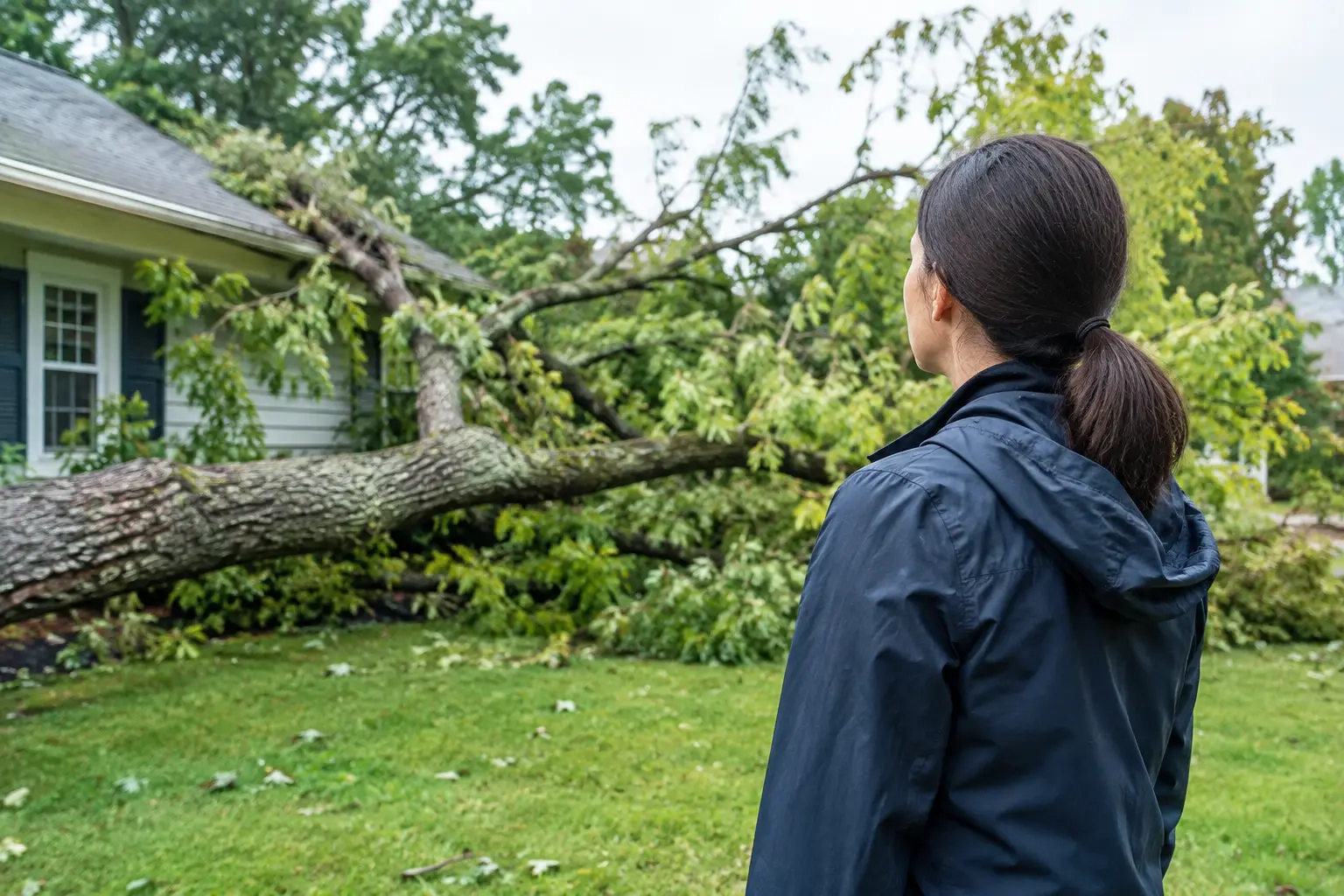
A fallen tree can turn a quiet morning into an urgent property problem fast. Does insurance cover fallen trees? Often, yes – but coverage usually depends on where the tree landed, what caused it to fall, and the specific language in your policy. The difference between a tree across an open yard and one through a roof can be thousands of dollars.
For Middle Tennessee property owners, storms, saturated ground, high winds, and aging trees can all create real risk. The right first step is to keep people clear of the area, document the damage, and understand what your insurer is likely to consider before arranging non-emergency work.
Does Insurance Cover Fallen Trees on Your Property?
Most standard homeowners insurance policies cover damage when a tree falls because of a covered event, such as a windstorm, lightning strike, hailstorm, or the weight of ice or snow. If that tree damages your home, attached garage, fence, shed, or another covered structure, the policy may pay for both the property damage and a portion of the tree removal cost.
For example, if a storm sends a large oak onto your roof in Smyrna, your policy may cover the roof repair and removal of the tree from the structure. If a limb damages siding, breaks windows, or crushes a detached garage, those repairs may also fall under the policy, subject to your deductible and coverage limits.
The key point is that insurance generally responds to damage, not simply to the presence of a fallen tree. A tree lying harmlessly in the backyard is often considered a maintenance issue, even if a storm brought it down.
When removal may be covered
Tree removal is more likely to be covered when the tree blocks a driveway or ramp needed to access the home, damages an insured structure, or creates debris directly tied to a covered loss. Many policies set a separate dollar limit for debris or tree removal. That limit can be lower than the cost of removing a large, storm-damaged tree, particularly when it is tangled in a roofline or utility area.
Before authorizing extensive work, ask your insurer whether removal is included in the claim and whether it has a per-tree or total debris-removal limit. Emergency work to make a structure safe may need to happen immediately, but a quick conversation and clear photos can prevent confusion later.
When insurance may not pay
Insurance commonly will not pay to remove a tree that falls in an open part of your yard without damaging a covered structure. It may also deny a claim if the loss resulted from neglect, rot, disease, or a known hazard that was left unaddressed.
That does not mean every tree with internal decay is automatically excluded. Insurance decisions are fact-specific. Still, if a homeowner knew a tree was dead, heavily leaning, hollow, or dropping large limbs and did not take reasonable action, the insurer may view the event differently than a sudden healthy-tree failure in a storm.
Routine pruning, removal of dead trees, stump grinding, and preventive tree work are usually property-owner expenses. They are still worthwhile investments when they reduce the chance of a much larger loss.
The Cause of the Fall Matters
A sudden storm is not the only reason trees come down in Tennessee. Soil can loosen after long periods of rain, root systems can be damaged during construction, and old trees may fail under their own weight. Insurance coverage can change depending on the cause.
Wind and lightning are commonly covered perils under many homeowners policies. Flooding, however, is typically handled differently. If a tree falls because floodwaters undermine the soil, a standard homeowners policy may not cover the loss, and flood insurance may not necessarily cover tree removal either. Earth movement and wear-and-tear issues can also be excluded.
Read the declarations page and exclusions in your own policy rather than relying on a neighbor’s experience. Two homes on the same street can have different deductibles, endorsements, and limits.
What if Your Neighbor’s Tree Falls?
A common assumption is that the owner of the tree automatically pays when it falls into someone else’s yard. In many cases, that is not how insurance works.
If your neighbor’s healthy tree falls on your home during a storm, your homeowners policy will typically handle damage to your home. Your insurer may then decide whether it has a reason to pursue the neighbor or the neighbor’s insurer. In general, the neighbor may be responsible only if they were negligent – for example, if they had clear notice that a dead or dangerous tree posed a risk and failed to address it.
Take photos showing the tree, damage, and any visible signs of decay. Keep communications respectful and factual. If there were prior discussions, written notices, or arborist recommendations about a hazardous tree, save those records for the claim process.
The same principle applies in reverse. If a tree from your property falls on a neighbor’s home during a storm, their insurer may initially handle the damage. Your best protection is to take seriously any tree that shows obvious signs of failure before weather brings it down.
Fallen Trees and Vehicle Damage
If a tree falls on a vehicle, the relevant coverage is usually comprehensive auto insurance, not homeowners insurance. Comprehensive coverage may pay for storm-related tree damage after the vehicle owner pays the deductible.
Liability-only auto coverage generally does not pay for this type of damage. If the vehicle was parked at your home, it does not automatically become a homeowners claim. That distinction catches many people off guard after a storm.
What to Do Before Tree Removal Begins
After a tree falls, safety takes priority over the insurance process. Keep everyone away from downed power lines, hanging limbs, split trunks, and trees resting under tension. Never assume a line is safe because it is not sparking, and do not attempt to cut or move a tree that is leaning on a structure.
Once the scene is safe, take wide and close-up photos before cleanup begins. Capture the whole tree, where it originated, the point of impact, and every damaged area. Photos from inside the home can be just as useful as exterior images if water has entered through a damaged roof.
Then contact your insurer to report the claim and ask practical questions: Is this a covered event? Does the policy include tree removal or debris removal? Is there a dollar limit? Does the company need an adjuster to inspect the property before major work begins?
If a tree is actively damaging the home or preventing safe access, emergency stabilization and removal may be necessary before an adjuster arrives. Save every estimate, invoice, receipt, and photo. Ask the tree company to clearly describe the emergency condition, the work performed, and whether debris was removed from a structure, driveway, or other access point.
Why Professional Documentation Helps
Tree work after a storm is rarely as simple as cutting a trunk into sections. A fallen tree may be under pressure, resting on a roof, caught in other limbs, or positioned near utility lines. Improper cutting can worsen property damage and put people at serious risk.
A professional crew can assess the tree’s weight, tension, access, equipment needs, and the safest removal sequence. Clear documentation also helps a property owner explain the scope of work to an insurer, especially when removal requires controlled rigging, crane access, specialized equipment, or protective measures around the home.
For commercial properties, HOAs, and multifamily communities, keep records of inspection reports, maintenance requests, storm photos, and completed tree work. Those records support better risk management and can help demonstrate that the property was being maintained responsibly.
Preventing the Next Tree Claim
Not every tree failure can be predicted, especially during severe weather. But regular inspections can identify dead limbs, canopy imbalance, weak branch unions, root damage, fungal decay, and trees that have begun to lean after soil movement or construction.
Pruning can reduce wind load and remove hazardous deadwood without sacrificing a healthy tree unnecessarily. In other cases, removal is the honest recommendation. A large tree near a roof, parking area, playground, or common walkway deserves a careful assessment, not guesswork.
Men in Green provides hazard assessments, tree removal, pruning, and storm cleanup for property owners across Middle Tennessee. The goal is not to remove every mature tree. It is to identify the trees and limbs that create an unreasonable risk before the next storm makes the decision for you.
A fallen tree claim can be stressful, but the right response is straightforward: protect people first, document the scene, contact your insurer, and bring in qualified help for dangerous work. Taking care of a questionable tree while it is still standing is often the safest and most affordable choice.