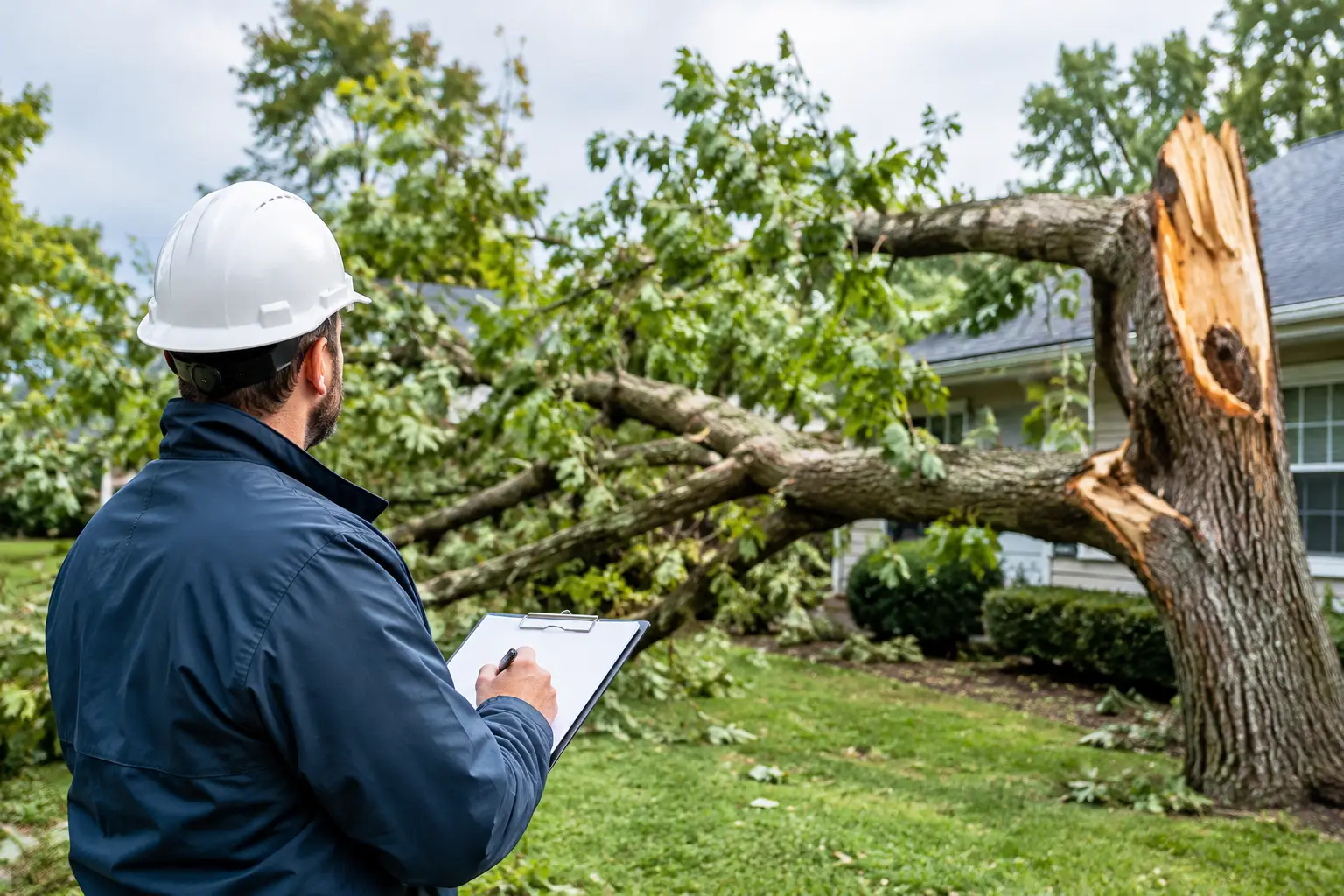
A mature oak can look perfectly sound on Friday and be across a driveway, roof, fence, or power line after a Middle Tennessee storm. In that moment, tree insurance coverage becomes a practical question: Who pays for removal, repairs, and the damage left behind?
The answer depends on why the tree fell, where it landed, what your policy says, and whether it caused covered property damage. Homeowners insurance often helps with sudden storm-related losses, but it is not a blanket policy for every fallen limb, dead tree, or overdue maintenance issue. Knowing the difference can help you protect your property, document the situation correctly, and make better decisions before the next round of severe weather.
What Tree Insurance Coverage Usually Includes
Most standard homeowners policies may cover damage caused when a tree falls because of a covered event, such as wind, lightning, ice, or the weight of snow. If the tree damages an insured structure, such as your home, detached garage, fence, or sometimes another covered structure, the policy may help pay for repairs. Removal of the tree is often included when removal is necessary to access or repair the damaged property.
For example, if a windstorm drops a healthy tree onto your roof, your policy may cover roof repairs and may provide a separate amount for debris or tree removal. The limit for removal is often lower than the overall dwelling limit, so it is worth checking the details rather than assuming all costs are included.
Insurance is less likely to pay when a tree falls in an open yard without damaging a covered structure. A fallen tree that blocks a lawn, lands in the woods, or creates a cleanup problem may still be your responsibility, even if the storm caused it. Some policies make exceptions when a tree blocks a driveway or ramp needed to enter or leave the home, but coverage varies.
The Cause of the Fall Matters
Insurers commonly look at whether the event was sudden and accidental. A tree that breaks during a documented storm is different from a tree that was visibly dead, hollow, leaning, or neglected for years before it came down.
If a tree was already in poor condition, the insurer may question whether preventable maintenance played a role. That does not always mean a claim will be denied, but it can affect the review. Deadwood removal, pruning weak limbs, and addressing hazardous trees before they fail are usually maintenance expenses, not insurance claims.
What Insurance Often Does Not Cover
Property owners are sometimes surprised to learn that insurance does not generally pay to remove a tree simply because it is unhealthy, overgrown, or likely to fall someday. Routine pruning, disease treatment, stump grinding, and preventive removal are typically considered owner responsibilities.
Coverage may also be limited or unavailable in these situations:
- A tree falls without damaging a covered structure or blocking a covered access point.
- The tree was dead, decayed, or visibly hazardous before the loss.
- The damage resulted from poor maintenance rather than a covered weather event.
- The cost falls below your deductible.
- The policy excludes the specific cause of loss, such as certain flood-related damage.
Flood is a separate issue worth understanding. If saturated ground causes a tree to uproot, the claim may be handled differently depending on whether the loss is tied to wind, surface water, or a flood event. Standard homeowners policies commonly exclude flood damage, while separate flood coverage may have its own rules. When the cause is not clear, document the conditions and ask your insurer how it will evaluate the claim.
If Your Neighbor’s Tree Falls on Your Property
A neighbor’s tree crossing your property line can create tension, but insurance claims are usually decided by damage and negligence, not simply by ownership of the tree. If a healthy tree falls during a storm and damages your house, your own homeowners policy normally handles the claim, subject to your deductible. Your insurer may later pursue reimbursement if there is evidence another party was responsible.
The situation can change if the neighbor knew the tree was dangerous and failed to address it. Written notices, photos, prior conversations, arborist reports, or visible signs of decline may matter. Still, avoid trying to settle responsibility in the middle of an emergency. Get the area secured, take clear photos, notify your insurer, and let the claims process determine liability.
The same principle can apply when your tree damages a neighbor’s property. Maintaining trees before they become obvious hazards is good stewardship and may reduce the chance of an expensive dispute later.
What to Do After a Tree Damages Your Property
Safety comes before the claim. Stay away from downed power lines, hanging limbs, split trunks, and trees resting under tension. A limb can shift unexpectedly, and a tree touching a service line should be handled through the utility company and qualified professionals.
Once everyone is safe, take wide and close-up photos of the tree, the damage, the weather conditions, and any visible signs of impact. Do not rush to discard damaged materials before your insurer has had a chance to review them, unless leaving them in place would create a greater safety risk.
Call your insurance carrier promptly and ask about the claim process, deductible, removal limits, and whether an adjuster needs to inspect the site before full cleanup. If the tree is on a roof, blocks an entrance, or creates an immediate hazard, emergency mitigation may be necessary. Keep copies of estimates, invoices, photos, and all communication related to the work.
A professional tree crew can remove the immediate hazard, protect the remaining landscape, and clear debris from the site. They cannot determine what your insurer will approve, but a detailed estimate and clear documentation of the work performed can support your records.
Why Preventive Tree Care Still Matters
Waiting for insurance to solve a tree problem is rarely the best plan. A policy may help after a covered loss, but it does not restore the disruption of a damaged roof, crushed fence, blocked driveway, or missed workday. It also may not cover all removal costs once deductibles and policy limits are applied.
Regular inspections are especially valuable for trees near homes, parking areas, play spaces, sidewalks, commercial entrances, and utility lines. Look for dead limbs, cracks in major branch unions, hollow sections, fungal growth near the base, peeling bark, sudden lean, exposed roots, and storm damage that was never fully addressed.
For commercial properties and HOAs, the stakes can be broader. A failed tree may interrupt tenant access, damage vehicles, create liability concerns, or leave a property looking neglected after a storm. A scheduled maintenance plan can help property decision-makers address risks before they become urgent calls.
Pruning Is Not the Same as Topping
Proper pruning removes dead, damaged, crowded, or poorly attached limbs while preserving the tree’s structure. Topping, which means cutting major limbs back indiscriminately, can weaken a tree and encourage fast, poorly attached regrowth. It may make the tree look smaller for a while, but it can increase risk over time.
An honest assessment should distinguish between a tree that needs selective pruning, a tree that needs removal, and a tree that can be monitored. Not every large tree is dangerous, and not every leaning tree needs to come down. Condition, species, soil, location, root health, and recent weather all matter.
Questions to Ask Before Filing a Claim
Before opening a claim for tree damage, review your deductible and consider the likely repair cost. A small fence repair or minor cleanup bill may not exceed the deductible, while roof damage, structural repairs, and major debris removal may justify a claim.
Ask your insurer whether debris removal has a separate cap, whether access obstruction is covered, and whether the claim could affect your future premium. There is no single answer that fits every policy. The right move depends on the value of the loss, your coverage, and the condition of the tree before the event.
For property owners in Rutherford, Davidson, and Williamson counties, storms can move quickly and leave little time for guesswork. Keeping your policy information available, photographing valuable exterior features, and addressing visible tree hazards before severe weather arrives can make a difficult situation easier to manage.
When a tree becomes unsafe, get qualified help before it causes more damage. Men in Green provides clear estimates, safety-focused removal, storm cleanup, and full job-site cleanup so property owners can take the next step with confidence.