A field can look manageable from the driveway and still hide hazards once you walk it. Tall grass can cover ruts, fallen limbs, old fencing, stumps, drainage swales, and poison ivy. Dense brush along a fence line can also push into usable space, restrict visibility, and make routine upkeep harder each season. Property brush management is the practical work of bringing that ground back under control without damaging the parts of the property you want to keep.
For homeowners, farms, HOAs, and commercial property managers in Middle Tennessee, the goal is rarely to strip every acre bare. Good brush management creates safer access, cleaner boundaries, and a property that is easier to inspect, maintain, and use. The right approach depends on what is growing, what is underneath it, and what you plan to do with the land next.
What Property Brush Management Should Accomplish
Brush management is more than cutting down tall weeds. It is a planned approach to controlling unwanted vegetation, small volunteer trees, vines, briars, and overgrowth across open lots, field edges, drainage areas, trails, and fence lines.
Done well, it should make the property safer without creating a new problem. A crew needs to identify slopes, wet ground, utility areas, mature trees worth protecting, septic components, culverts, and any debris that could damage equipment or become a projectile. This is why a quick pass with equipment is not always the same as professional land maintenance.
On a residential lot, the work may focus on reclaiming a backyard edge, improving access to a shed, or clearing around a tree line before a fence installation. On a farm, it may mean cutting back field growth before it turns into woody brush. At an apartment community or retail site, it can help maintain sightlines, reduce hiding places near the perimeter, and keep grounds looking cared for.
Why Overgrowth Becomes a Bigger Job Over Time
Middle Tennessee’s long growing season gives brush a head start. A neglected area may begin with grass and annual weeds, then progress to blackberry canes, saplings, invasive vines, and dense woody growth. Once small trees begin establishing roots, simple mowing will not solve the whole issue.
Overgrowth can create several practical concerns:
- Hidden stumps, limbs, holes, and discarded materials raise the chance of trips, equipment damage, and difficult access.
- Brush around structures, power equipment, and property edges can contribute to faster fire spread during dry periods.
- Thick vegetation holds moisture and can conceal pests, snakes, and ticks where people, pets, or crews need to work.
- Unmanaged edges can block views at driveways, trails, parking areas, and private roads.
There is also a cost issue. Cutting annual growth on a regular schedule is generally straightforward. Waiting until it becomes a mix of thick brush, saplings, fallen trees, and tangled vines usually requires more labor, heavier equipment, and sometimes stump or root removal afterward.
Bush Hogging or Land Clearing: Know the Difference
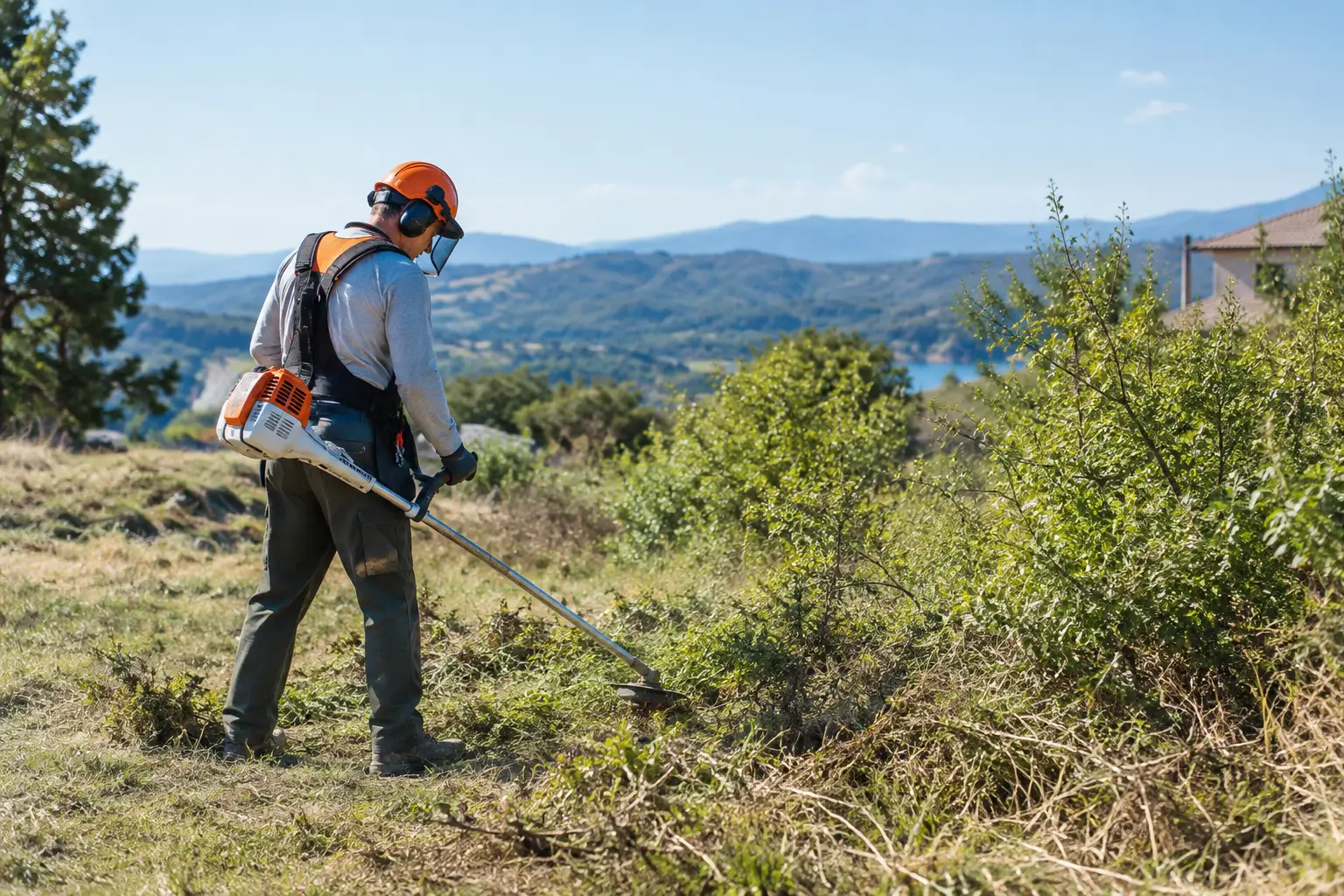
The best service is based on the end use of the property. Bush hogging is often the right choice when the ground is mostly grass, weeds, light brush, and small growth that needs to be cut down and maintained. It is especially useful for fields, large lots, pasture edges, trails, and undeveloped parcels where the goal is to restore visibility and keep vegetation from getting ahead of you.
Land clearing is a different level of work. It is better suited for dense brush, established saplings, fallen material, invasive growth, and areas being prepared for construction, fencing, parking, expansion, or recreation. Clearing may involve cutting and removing brush, taking down selected trees, grinding stumps, and addressing roots depending on the site plan.
Neither option is automatically better. Bush hogging preserves the basic ground cover and is usually the more efficient maintenance choice. Clearing creates a more complete reset, but it can expose soil and may require follow-up grading, seeding, or erosion control. An honest site assessment should explain which approach fits your immediate needs and what maintenance will be needed afterward.
When cutting alone is enough
If the vegetation is seasonal, access is already open, and you need to maintain a usable field or perimeter, routine cutting can be enough. Many property owners schedule service before growth becomes tall enough to conceal hazards or interfere with inspections.
When roots and stumps need attention
If you are preparing an area for a building pad, driveway, new lawn, fence, or other permanent improvement, surface cutting may not be sufficient. Leftover stumps and roots can interfere with grading, mowing, construction equipment, and future planting. This is where stump grinding or root removal should be discussed before work begins, not discovered after the crew has finished cutting.
Start With the Property’s Intended Use
A useful brush-management plan begins with one question: What do you need this area to do?
A homeowner planning a backyard play area needs a different result than a landowner reopening a trail or a facility manager maintaining a commercial perimeter. A farm may need open access for mowing and equipment, while an HOA may be focused on appearance, visibility, and safer common areas. The intended use determines how low vegetation should be cut, which trees should remain, whether debris needs to be hauled away, and how often the site should be serviced.
It also helps to identify what should not be disturbed. Mature shade trees, healthy native growth, stream banks, steep slopes, utility corridors, and drainage paths need careful treatment. Removing every bit of vegetation may look clean for a short time, but it is not always the safest or most practical answer. On slopes and near drainage areas, retaining the right ground cover can help limit erosion.
Timing Matters in Middle Tennessee
There is no single perfect month for every property, but timing affects both cost and results. Late winter and early spring can be useful for access and visibility before heavy leaf-out. Summer cutting helps keep fast-growing vegetation from taking over fields, lots, and fence lines. Fall is often a smart time to restore access after a full growing season and prepare a property for winter inspections or upcoming projects.
The right schedule depends on rainfall, sunlight, soil conditions, and the type of growth on your land. Open, sunny acreage may need more frequent service than a shaded perimeter. A commercial site where appearance and visibility matter may benefit from a predictable maintenance schedule, while a rural parcel may only need seasonal attention.
Do not wait for a wet spell to end before assessing a problem area. Saturated ground can limit equipment access, but it can also reveal drainage issues, fallen limbs, washouts, and places where vegetation is blocking water flow. A knowledgeable crew can help determine when the site is firm enough to work without unnecessary ground damage.
What to Expect From a Professional Crew
Before equipment arrives, the scope should be clear. You should know which areas are included, what type of material will be cut or removed, whether trees or stumps are part of the project, and how debris will be handled. Clear estimates protect both the property owner and the crew from misunderstandings.
On the job, safety comes first. That includes checking for overhead lines, locating obstacles, protecting structures and desirable trees, and selecting equipment that fits the space. A large open field and a tight residential side yard do not call for the same approach.
Cleanup matters, too. Fine clippings from bush hogging may be left to settle back into the field, while brush, limbs, and tree debris from a clearing project may need to be removed. The expected finish should be discussed ahead of time. A job is not truly complete if the property owner is left with access problems, scattered debris, or a site that cannot be used as planned.
Keep It Managed After the Reset
The most cost-effective brush work is usually ongoing work. Once a field edge, lot, or perimeter has been reclaimed, regular maintenance prevents saplings and vines from reestablishing. It also gives property owners a better chance to spot damaged trees, drainage concerns, broken fencing, and unauthorized dumping before they become larger issues.
For commercial properties and HOAs, recurring service can help keep standards consistent without waiting for an overgrowth complaint. For homeowners and landowners, a seasonal plan can protect the investment made in the initial clearing while keeping the property usable for family, equipment, livestock, or future construction.
If you are not sure whether your land needs bush hogging, targeted clearing, stump work, or ongoing maintenance, start with a walk-through and a clear plan for how you want the space to function. Men in Green can provide an honest assessment, the right equipment for the conditions, and professional cleanup so your property is safer and ready for what comes next.