
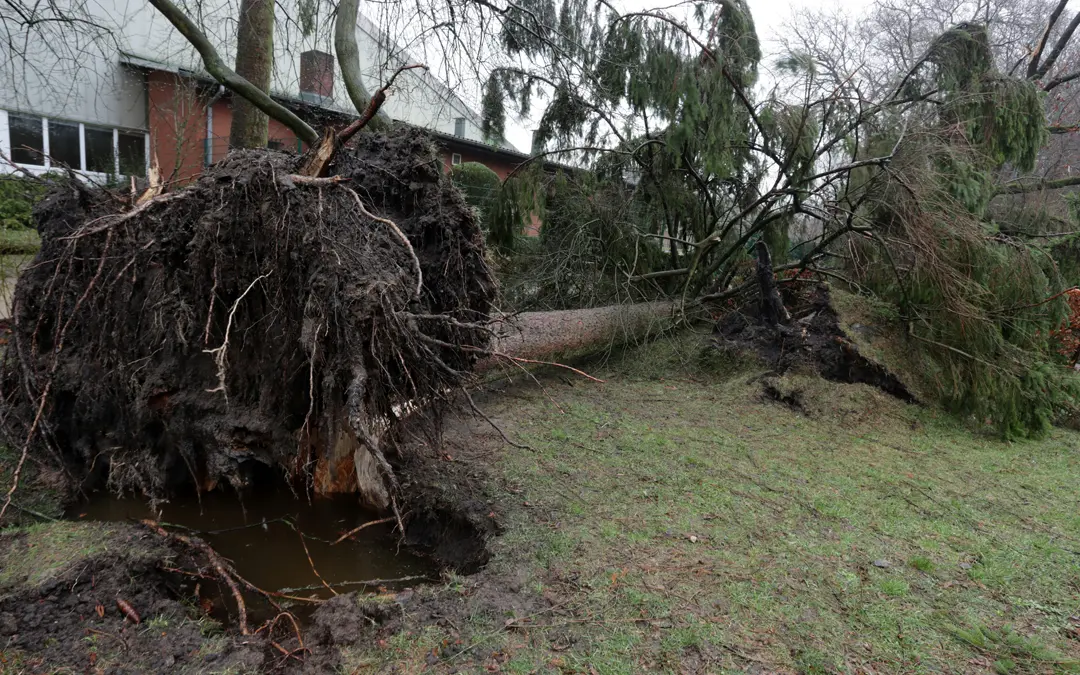
When storm warnings light up our phones here in Middle Tennessee, property owners naturally worry about their trees. After over three decades serving this region, we’ve seen how our local weather patterns test tree strength in unique ways. Understanding which trees can handle high winds—and which ones need attention before storms arrive—helps you protect your property and peace of mind.
What Middle Tennessee Trees Face
Our region experiences diverse weather challenges. Summer thunderstorms bring sudden wind gusts, while winter ice storms add weight that turns even moderate winds into serious threats. The trees thriving in your yard right now face conditions that test both their structural strength and their ability to shed excess load.
Generally, healthy established trees withstand winds between 50-60 miles per hour without major damage. However, several factors determine whether your specific trees will weather the next storm safely.
Species That Struggle in Our Climate
Not all trees handle Middle Tennessee storms equally. Some common species in our area are particularly vulnerable to wind and ice damage:
High-Risk Species include Bradford pear, silver maple, willow, hackberry, river birch, and Virginia pine. These trees often have brittle wood or branch structures that fail under stress. Magnolias and pines face additional winter challenges because their evergreen leaves collect ice, adding dangerous weight to branches.
Moderate-Risk Species like beech, black cherry, elm, and boxelder show increased susceptibility during severe weather events, especially when combined with other stress factors.
What Makes Trees More Resilient
Certain characteristics help trees survive high winds. Species like white oak, walnut, and ginkgo tend to fare better because they have fewer, thicker branches and stronger wood. Their tall, narrow shape also allows wind to flow around them more easily than trees with wide, spreading branches.
Beyond species, these factors influence wind resistance:
Root Systems – Deep, extensive roots anchor trees securely. Shallow-rooted trees or those growing in compacted urban soils face a higher risk of uprooting.
Tree Age and Health – Younger trees with underdeveloped roots struggle in high winds. Older trees weakened by disease, decay, or previous storm damage are equally vulnerable. The sweet spot is mature, healthy trees with well-established root systems.
Crown Architecture – Trees with balanced, well-maintained canopies distribute wind forces more evenly. Overgrown or poorly pruned trees create stress points where branches are likely to fail.
Protecting Your Investment Before Storms Strike
The most effective storm preparation happens long before weather alerts arrive. Regular professional trimming removes weak or dead branches that become projectiles in high winds. Routine inspections identify hidden damage or disease that compromises structural integrity.
Our experienced team recognizes the warning signs that property owners often miss: subtle lean changes, crown imbalances, or root damage that increases vulnerability when storms approach.
Trust Local Experience
With over three decades protecting Middle Tennessee properties, Men In Green understands how our unique climate challenges your trees. We’ve responded to countless storm emergencies and know which preventive measures make the difference between minor cleanup and major damage.
Don’t wait for the next storm warning to assess your trees’ readiness. Contact Men In Green today at 615-241-2106 for a professional evaluation that protects your property investment.
Sources: