A field can look manageable from the driveway, then turn into a wall of cedar, briars, saplings, and fallen limbs once you walk it. Forestry mulching is a practical way to reclaim that ground without hauling away piles of brush or setting up burn piles. For many Middle Tennessee property owners, it creates safer access, better visibility, and land that is easier to maintain.
The right approach still depends on the property. A wooded home site, a fence line covered in growth, and acreage being prepared for a new building do not all need the same level of clearing. An honest assessment starts with the intended use of the land, the trees worth keeping, the slope, and what is underneath the brush.
What Forestry Mulching Does
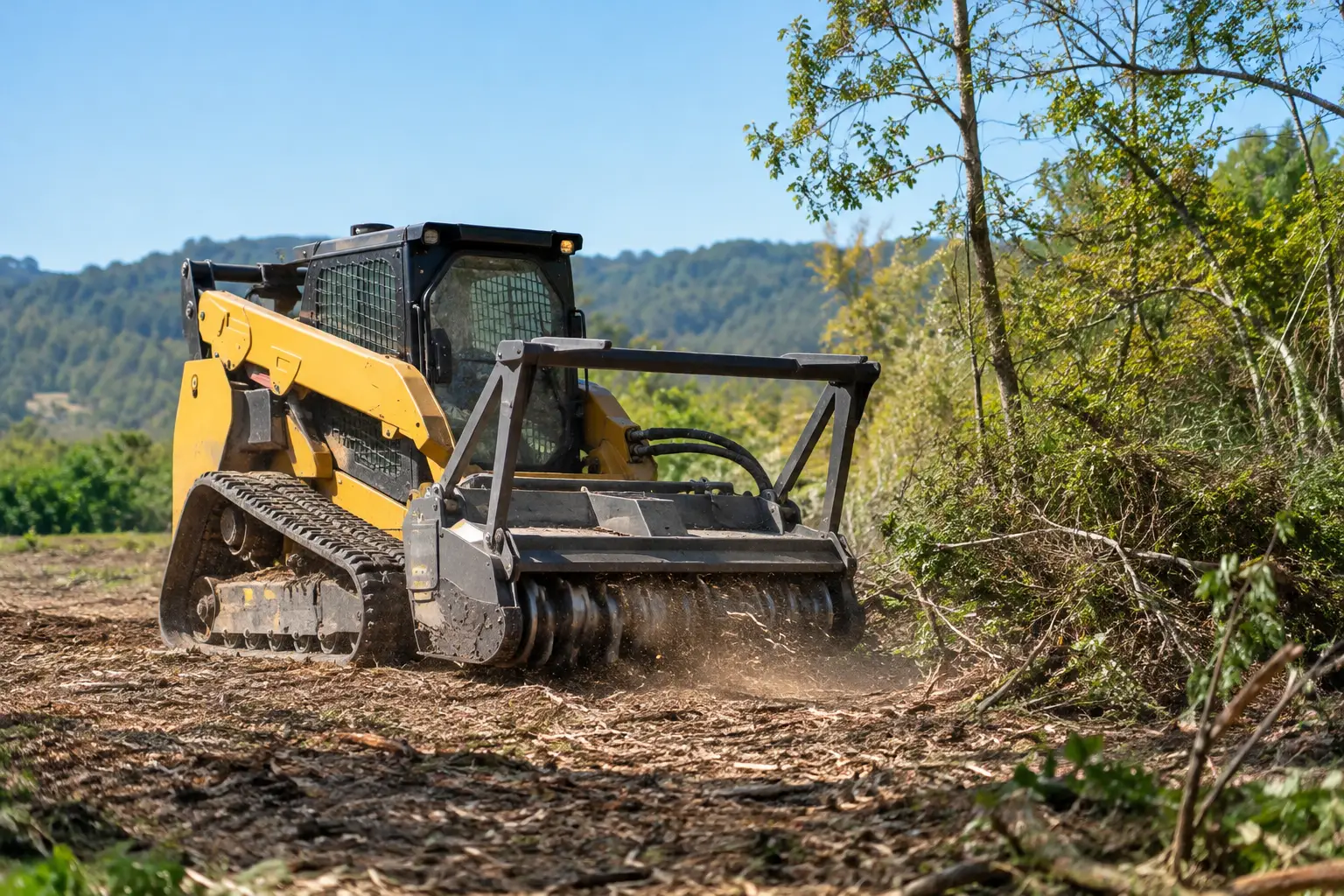
Forestry mulching uses a dedicated machine with a high-powered mulching head to cut and process brush, vines, saplings, small trees, and downed vegetation. Rather than pushing material into windrows or loading it into trucks, the machine turns much of that growth into mulch on the ground.
That mulch layer can help limit erosion, hold moisture, and slow down some future weed growth. It also eliminates many of the open brush piles that attract pests, block sightlines, and create a fire concern during dry periods. The finished area is usually more natural-looking than a site that has been fully scraped bare.
This does not mean every tree should be mulched. Mature hardwoods, healthy shade trees, desirable specimen trees, and trees near structures often call for more selective work. A skilled crew can identify what should remain, establish a clear boundary, and remove the overgrowth around it so the property feels open without losing its character.
When Mulching Is the Right Land-Clearing Choice
Forestry mulching works especially well where the main problem is unmanaged vegetation rather than large stumps, major grading needs, or a planned building pad. Homeowners often use it to open trails, reclaim the edge of a yard, clean up a neglected lot, or create usable space around a pond or outbuilding.
For farms and larger parcels, it can clear overgrown field edges, improve access for equipment, and make fence maintenance less frustrating. Commercial property managers and HOA boards may use it to improve visibility along back lots, retention areas, utility corridors, and common-space boundaries where brush has gotten out of hand.
It can also be a good first step after storm damage. Once hazardous hanging limbs and unstable trees have been addressed, mulching can process scattered brush and smaller fallen material across a larger area. That is often faster and cleaner than trying to move every piece by hand.
The benefit is not simply a cleaner appearance. Thick vegetation can hide holes, dumped debris, damaged fencing, and encroaching growth near buildings. Clearing it gives owners a better view of the land they are responsible for maintaining.
It Is Not the Same as Full Site Preparation
Forestry mulching is not always the final answer for construction. If a project needs foundations, roads, utilities, drainage work, or final grading, the site may need additional tree removal, stump grinding, excavation, and hauling. Mulching leaves organic material at the surface, which is useful in many settings but may not suit an engineered building area.
Likewise, large trees and heavy stumps may require separate equipment. Trying to use one method for every condition can lead to poor results, damaged equipment, or a site that still is not ready for its next phase. The best plan may combine selective tree removal, stump work, mulching, and bush hogging for continued maintenance.
The Benefits Property Owners Notice First
Most owners notice access right away. Once dense undergrowth is removed, they can walk the property, inspect fences, reach a creek bank, or plan where a driveway, barn, trail, or outdoor space may go. Clear sightlines can also make a property feel more secure and easier to monitor.
There is a soil-management advantage as well. Traditional land clearing can involve heavy disturbance, repeated machine traffic, and brush piles that must be burned or hauled away. Forestry mulching generally leaves the root systems in place and distributes processed material across the work area. On slopes and wooded edges, that can be a meaningful advantage because exposed soil is more likely to wash during heavy Tennessee rain.
Mulching can also reduce disposal work. Instead of paying to transport a large volume of brush, much of the material stays on site in a useful form. That does not make it a fit for every project, but it often makes the cleanup process more efficient.
What Needs to Be Checked Before Work Begins
A professional walk-through matters because land is rarely as simple as it appears in photos. The crew needs to know where the property lines are, which trees the owner wants protected, and whether there are fences, wells, drainage features, septic components, or hidden debris in the work area.
Utilities deserve special attention. Underground electric, gas, water, communications lines, and irrigation components can be damaged if their location is not confirmed before machinery enters the site. Overhead lines, especially on lots with tall trees or uneven terrain, also affect how clearing should be planned.
Access determines both safety and efficiency. A compact residential lot may call for a different machine and operating plan than a large rural tract. Wet ground, steep slopes, narrow gates, and nearby landscaping all influence the scope of work. A good estimate should explain what will be cleared, what will stay, how the equipment will enter, and what the site should look like when the crew leaves.
Protecting the Trees You Want to Keep
One of the biggest mistakes in overgrown-land cleanup is treating every tree as a problem. Established oaks, maples, and other healthy trees add shade, value, and visual appeal, but they can be stressed when their root zones are compacted or when equipment works too close to the trunk.
Before mulching begins, identify the trees that matter most. Mark their boundaries where needed and keep machinery out of sensitive root areas whenever possible. Removing invasive vines, crowded saplings, and competing brush around a mature tree can improve its growing conditions, but the work must be selective.
Dead, split, leaning, or storm-damaged trees are a different issue. Those may need to be removed by a tree-care crew before the mulching equipment handles the understory. Hazardous trees should not be left standing just because the surrounding brush has been cleared away.
How Long Results Last
Forestry mulching is land management, not a permanent cure for vegetation. Sunlight, rainfall, seed banks, and fast-growing species mean that new growth will return. How quickly it returns depends on the property, the thickness of the mulch, and whether the owner begins regular mowing or bush hogging afterward.
For a homesite or visible commercial area, recurring maintenance may be the most economical way to keep cleared land from reverting to brush. On larger acreage, an owner may choose to mulch problem areas first and bush hog open ground on a scheduled basis. This approach keeps costs more predictable than waiting several years until the growth becomes dense again.
Middle Tennessee’s long growing season can be tough on neglected lots. A manageable maintenance plan is usually more valuable than a one-time clearing job that has no follow-up strategy.
Choosing a Crew for the Work
Land clearing brings real safety and property-protection concerns. The operator must manage moving equipment around trees, slopes, fences, structures, and unknown ground conditions. The crew should be insured, use equipment suited to the site, and communicate clearly about limitations before work starts.
Look for a company that can handle the larger picture when needed. A lot may require tree removal before mulching, or stump grinding after clearing. It may need storm cleanup first, then ongoing bush hogging. Men in Green brings more than 30 years of regional tree and land-management experience to these decisions, with owner involvement and a focus on leaving the job site clean.
If brush, small trees, and neglected growth are keeping you from using your land, start by defining what you want the property to become. A trail, pasture edge, safer backyard, buildable area, or clean commercial perimeter each calls for a slightly different plan. A clear on-site estimate can help you protect the trees worth keeping while making the rest of the property easier to use.