A large oak can look perfectly sound from the driveway and still have a weak union, decaying interior wood, or roots stressed by construction. That is why a tree inspection is more than a quick look at dead branches. It is a practical way to identify risk before a limb lands on a roof, blocks a driveway, damages a fence, or creates a liability concern for your property.
For homeowners, HOAs, farms, and commercial sites across Middle Tennessee, trees are part of the property’s value and character. They also live through heavy rain, high winds, ice, heat, compacted soil, utility work, and changing drainage conditions. A professional assessment helps separate a tree that needs attention now from one that can be monitored and maintained over time.
What Happens During a Tree Inspection
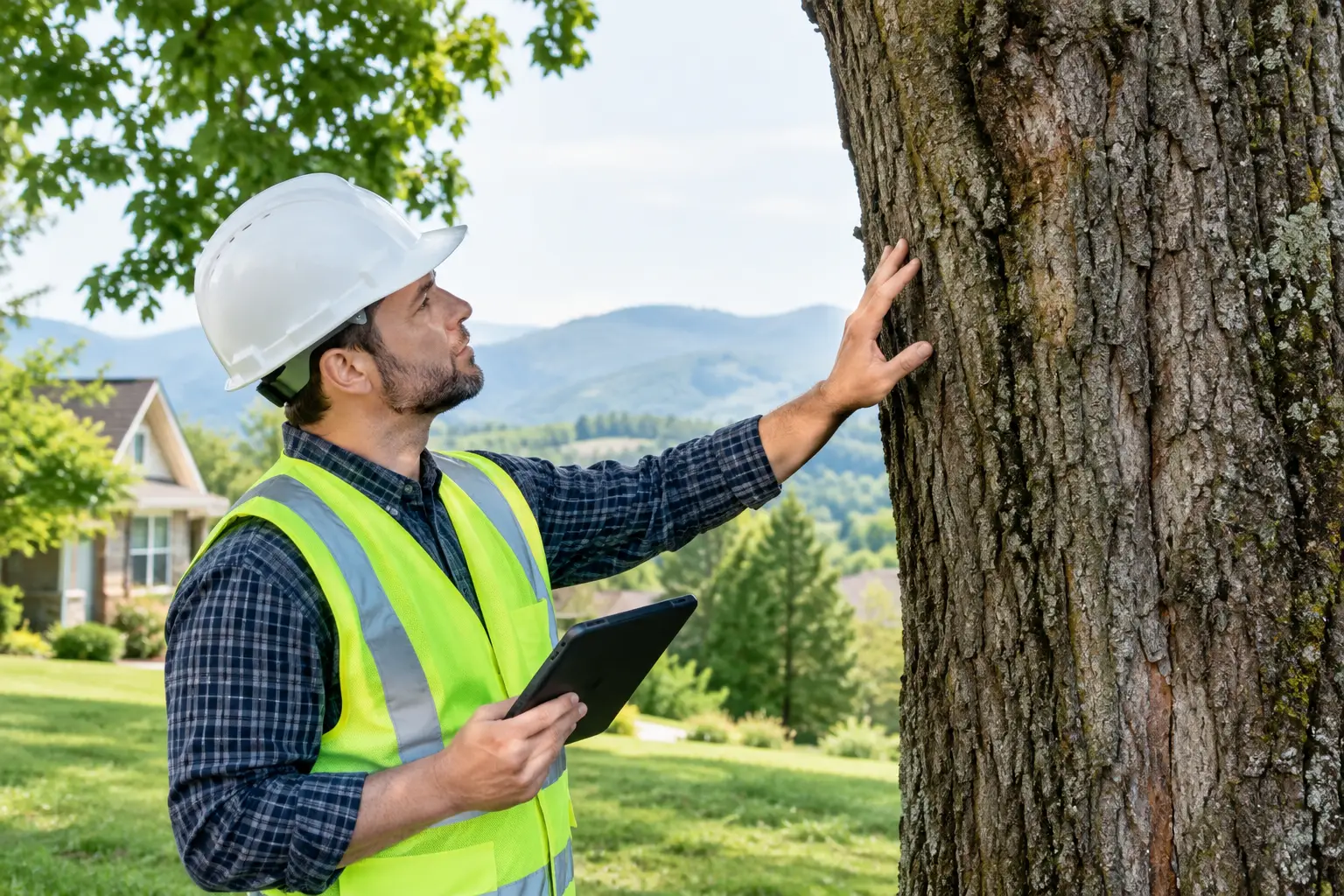
A proper tree inspection starts from the ground and looks at the whole tree, not only the most visible limb. The goal is to understand the tree’s condition, its location, and what could be affected if part or all of it fails.
The inspection considers the canopy, trunk, root zone, surrounding soil, and nearby targets. A target may be a home, parked vehicle, play area, sidewalk, power line, road, patio, neighboring structure, or a high-traffic section of a commercial property. A tree with a defect in an open field does not carry the same level of urgency as the same tree leaning over a building.
An experienced crew also considers the tree species, age, past pruning, storm history, and recent changes around the property. For example, a mature tree may begin declining after its roots are cut during trenching or after fill soil is placed over its root system. Those changes may not create obvious problems right away, but they can affect long-term stability and health.
Signs Your Property May Need a Tree Inspection
Some tree concerns are clear. A broken limb hanging over a driveway or a trunk split after a storm should be assessed promptly. Other warning signs are quieter and are easy to overlook until the next round of high winds exposes the problem.
Look for new or widening cracks in the trunk, cavities, peeling bark, mushrooms or fungal growth near the base, and branches that have died back in the upper canopy. A tree that suddenly leans, develops raised soil on one side of its base, or shows exposed roots after erosion deserves attention as well.
Included bark is another common concern. This occurs when two or more stems grow tightly together and bark becomes trapped between them instead of forming a strong connection. The union can appear solid from below, yet it may be more likely to split under wind, ice, or the added weight of wet leaves.
Deadwood is not always an emergency, especially when it is small and far from a target. Still, larger dead limbs can fall without warning. On residential lots, those limbs often threaten roofs, decks, fences, and outdoor living spaces. On commercial properties, they can create hazards along sidewalks, entrances, parking areas, and common grounds.
A tree inspection is also wise after a major storm, even if there is no visible damage. Wind can loosen limbs, worsen an existing crack, or shift a root plate without bringing the tree down immediately. Checking the property after severe weather can prevent a delayed failure weeks or months later.
Tree Health and Tree Risk Are Not the Same Thing
A tree can be unhealthy without being an immediate hazard, and a green, leafy tree can still present a serious structural risk. This distinction matters when deciding whether trimming, monitoring, removal, or no work at all is the right answer.
For example, a tree with leaf discoloration or minor pest damage may benefit from better growing conditions, selective pruning, or observation. A tree with a major trunk crack above a home may require a more urgent decision, even if its canopy looks healthy. Good recommendations are based on the defect, the likelihood of failure, and the consequences if it fails.
Not every concern calls for removal. In many cases, precision pruning can reduce end weight on a long limb, remove dead or rubbing branches, improve clearance, and lower the chance of storm damage. However, trimming cannot repair severe decay, reverse root failure, or make a deeply split trunk structurally sound. When a tree cannot be reasonably managed, removal may be the safer and more responsible option.
Why Site Conditions Matter in Middle Tennessee
Middle Tennessee properties often have a mix of mature hardwoods, fast-growing trees, slopes, clay-heavy soil, drainage channels, and development activity. Each of these factors can change what a tree needs.
Heavy rain can saturate soil and reduce root support, especially on sloped lots or in areas with poor drainage. Strong storm winds then place extra force on a tree’s canopy and trunk. Ice can add significant weight to limbs, particularly where trees have not been properly maintained or where weak branch unions already exist.
Construction and landscaping work can create problems too. Root damage, grade changes, new retaining walls, soil compaction, and altered runoff may affect a tree years after a project is complete. If you are planning an addition, driveway, utility installation, fence line, or land-clearing project, an inspection before work starts can help identify trees worth protecting and trees that may interfere with the plan.
For farms, larger residential acreage, and development sites, tree inspection can also support better clearing decisions. Keeping the right healthy trees can preserve shade, appearance, and property value. Removing unstable, overcrowded, or poorly located trees early can make the site safer and easier to maintain.
When to Schedule a Tree Inspection
There is no single season when every tree must be checked. The best timing depends on your property and what has changed around it. Still, certain situations call for a closer look sooner rather than later.
Schedule an assessment after severe wind, ice, or prolonged heavy rain; before a construction or landscaping project; when you notice a new lean, crack, cavity, or canopy decline; and before buying or selling a property with mature trees near structures. HOA boards and commercial property managers may also benefit from routine inspections in high-use areas, where proactive maintenance is usually less disruptive than emergency work.
For many properties, an annual walk-through is a sensible starting point. Larger sites, heavily wooded lots, or properties with trees near buildings and public areas may need more frequent attention. The right schedule depends on the number of trees, their condition, their location, and the level of traffic below them.
What to Expect From a Professional Recommendation
A useful inspection should give you a clear path forward, not pressure you into unnecessary work. You should understand what was found, why it matters, what can be monitored, and what should be addressed first.
Recommendations may include selective pruning, deadwood removal, cabling or bracing in limited situations, stump grinding after removal, or full removal of a hazardous tree. The best option is not always the least expensive one upfront. A small pruning job may be appropriate for a manageable limb issue, while delaying removal of a severely compromised tree can create much higher costs if it damages a structure.
Safety also affects how work is planned. Trees close to homes, fences, landscaping, power lines, septic areas, or busy parking lots require the right equipment and careful setup. Professional crews should explain access needs, work zones, cleanup expectations, and how they will protect the property while the job is underway.
Don’t Wait for a Tree to Make the Decision
Most tree failures are not completely random. There are often signs, site changes, or maintenance needs that become clearer when someone knows what to look for. Acting early gives you more options, more control over scheduling, and less chance of handling the problem during a storm or emergency.
If a tree on your property has changed, is close to something valuable, or simply has you wondering whether it is safe, get an honest assessment before the next weather event forces the issue. Men in Green can help property owners make a practical decision based on the tree, the site, and the level of risk involved.